Introduction
Chairs are an essential piece of furniture in our homes and workplaces. One of the key factors in selecting the right chair is the type of fabric used for upholstery. The durability of chair fabric is critical as it determines the lifespan of the chair, especially in high-traffic and heavily-used areas. In this article, we will explore different types of chair fabrics and determine which one is the most durable.
Types of Chair Fabrics
There are several types of chair fabrics, and each has its unique properties and characteristics. The following are some of the most common chair fabrics:
1. Leather
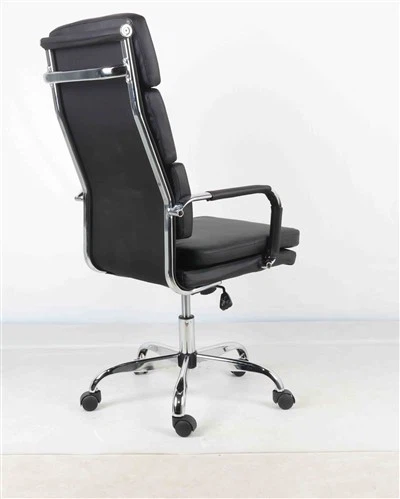
Leather is one of the most popular chair fabrics, and for good reason. It is highly durable, easy to maintain, and offers a luxurious look and feel. Leather is also resistant to stains, moisture, and dirt, making it an excellent choice for high-traffic areas. However, leather can be quite expensive, and it may not be suitable for people with allergies or sensitivities.
2. Vinyl
Vinyl is a synthetic material that resembles leather in appearance and texture. It is a cost-effective alternative to leather and is highly durable, easy to clean, and resistant to stains. Vinyl is also water-resistant and fire-retardant, making it ideal for commercial settings. However, vinyl may not breathe as well as natural fabrics, and it is prone to cracking and peeling over time.
3. Microfiber
Microfiber is a synthetic fabric made from ultra-fine fibers. It is highly durable, resistant to stains, and easy to clean. Microfiber also has a soft and luxurious feel, making it a popular choice for furniture upholstery. However, microfiber may not hold up well to pet hair and scratches, and it can be difficult to repair if damaged.
4. Polyester
Polyester is one of the most versatile chair fabrics, as it comes in a wide range of colors and patterns. It is highly durable, easy to clean, and resistant to stains. Polyester also resists fading and wrinkling, making it ideal for furniture that will be exposed to sunlight. However, polyester may not be as breathable as natural fabrics, and it is prone to pilling and static electricity.
5. Olefin
Olefin is a synthetic fabric that is highly resistant to moisture, mildew, and fading. It is also easy to clean and has a soft and comfortable feel. Olefin is an ideal choice for outdoor furniture, as it can withstand exposure to the sun, rain, and other elements. However, olefin may not be suitable for indoor use, as it can be prone to static electricity and may not offer as much breathability as natural fabrics.
Determining the Most Durable Chair Fabric
To determine the most durable chair fabric, several factors must be considered, including:
1. Abrasion resistance
Abrasion resistance is the fabric''s ability to withstand wear and tear caused by rubbing or friction. The Martindale test is a common method used to measure abrasion resistance. In general, fabrics with a higher Martindale score are more durable and will last longer.
2. Tensile strength
Tensile strength is the amount of force required to pull a fabric apart. Fabrics with higher tensile strength are generally more durable and less likely to tear or rip.
3. Pilling resistance
Pilling resistance measures a fabric''s ability to resist the formation of small, fuzzy balls on its surface. Fabrics that are prone to pilling may look worn and unsightly over time.
4. Color fastness
Color fastness refers to a fabric''s ability to maintain its color when exposed to light or water. Fabrics that are not colorfast may fade or bleed over time, losing their original color and appearance.
Conclusion
After considering the factors above, it is clear that leather is the most durable chair fabric. Leather has excellent abrasion resistance, tensile strength, and pilling resistance, and it is highly resistant to water, stains, and fading. Although leather may be more expensive than other chair fabrics, it is a worthwhile investment due to its durability and longevity. However, it is important to note that leather may not be suitable for people with allergies or sensitivities. When selecting a chair fabric, it is essential to consider your individual needs and preferences, as well as the specific requirements of your environment.